Bees! After your initial fear of getting stung subsides, your mind will probably go to honey: the honey bee. These little fuzzy black and yellow pollen goblins are not native to North America. Honey bees are a species originally from Eurasia. Over the years they have been shipped to farmers and honey enthusiasts around the world.
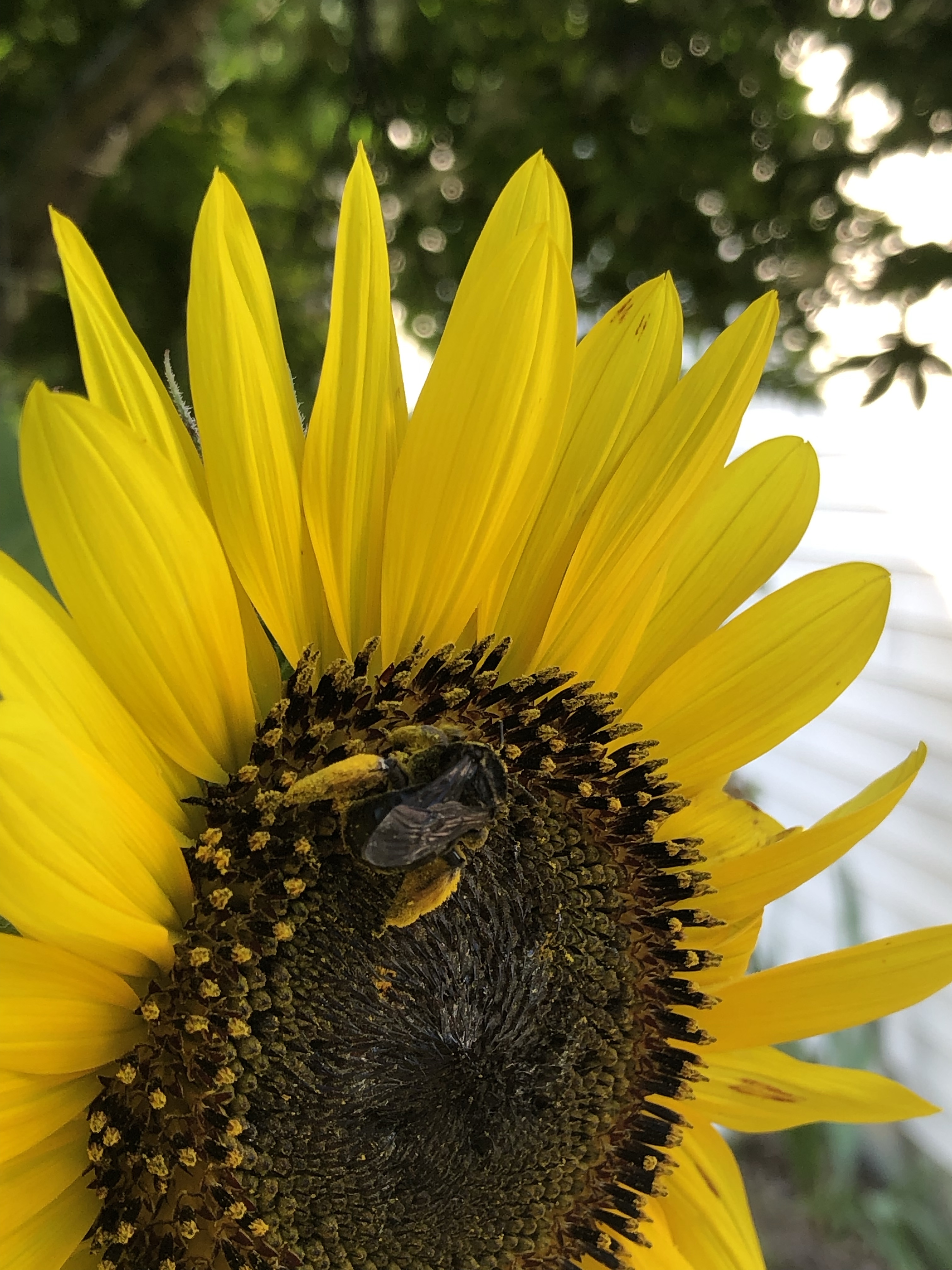
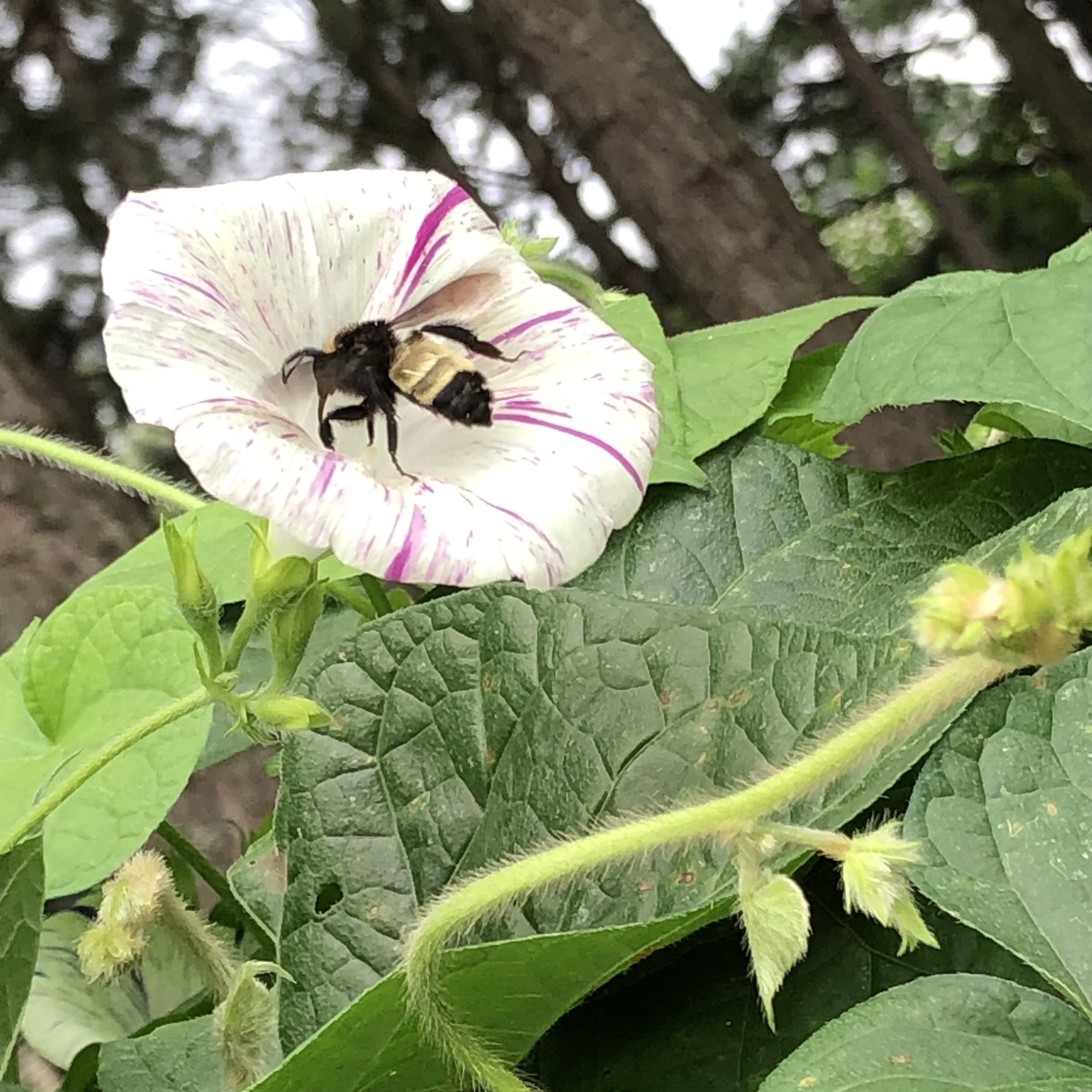

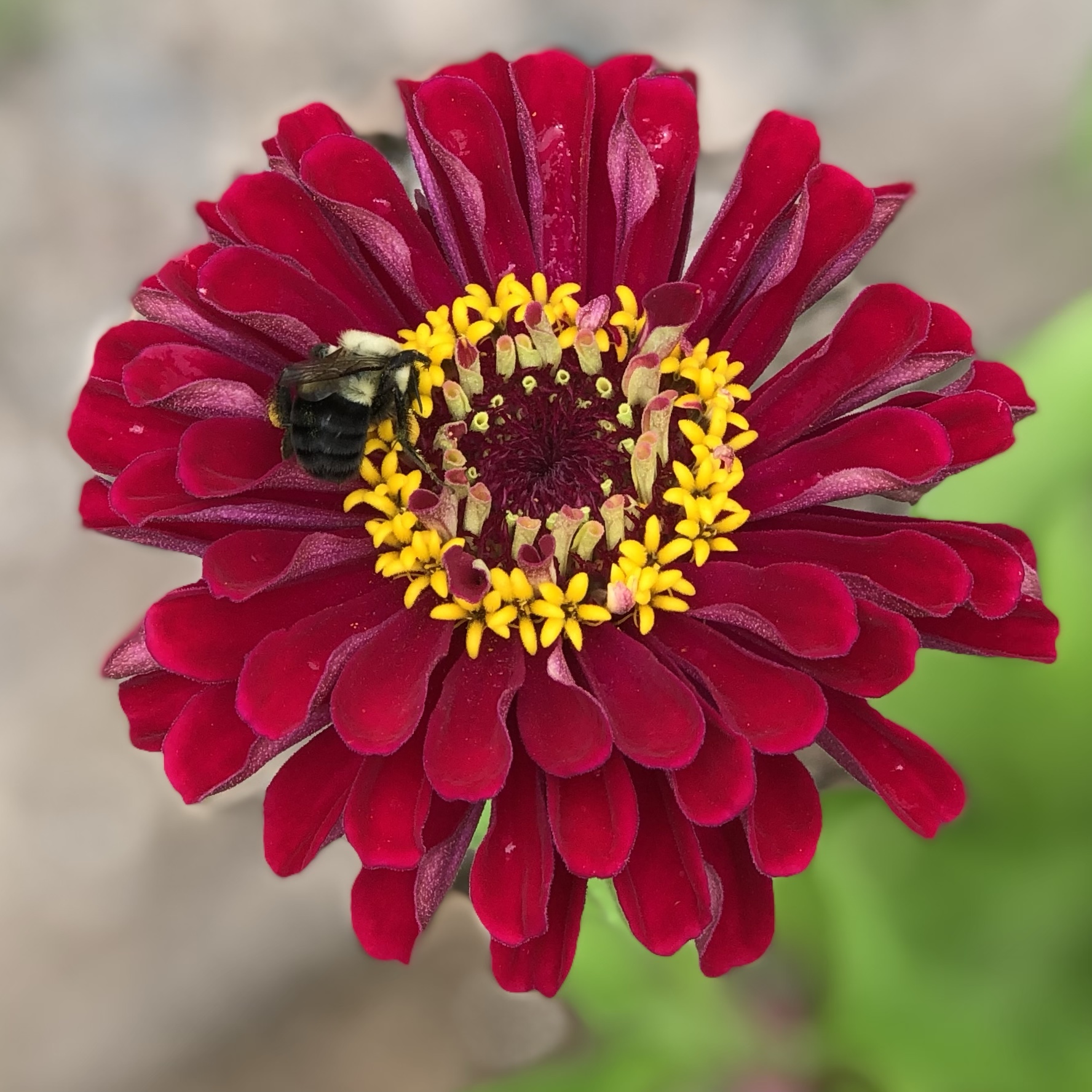
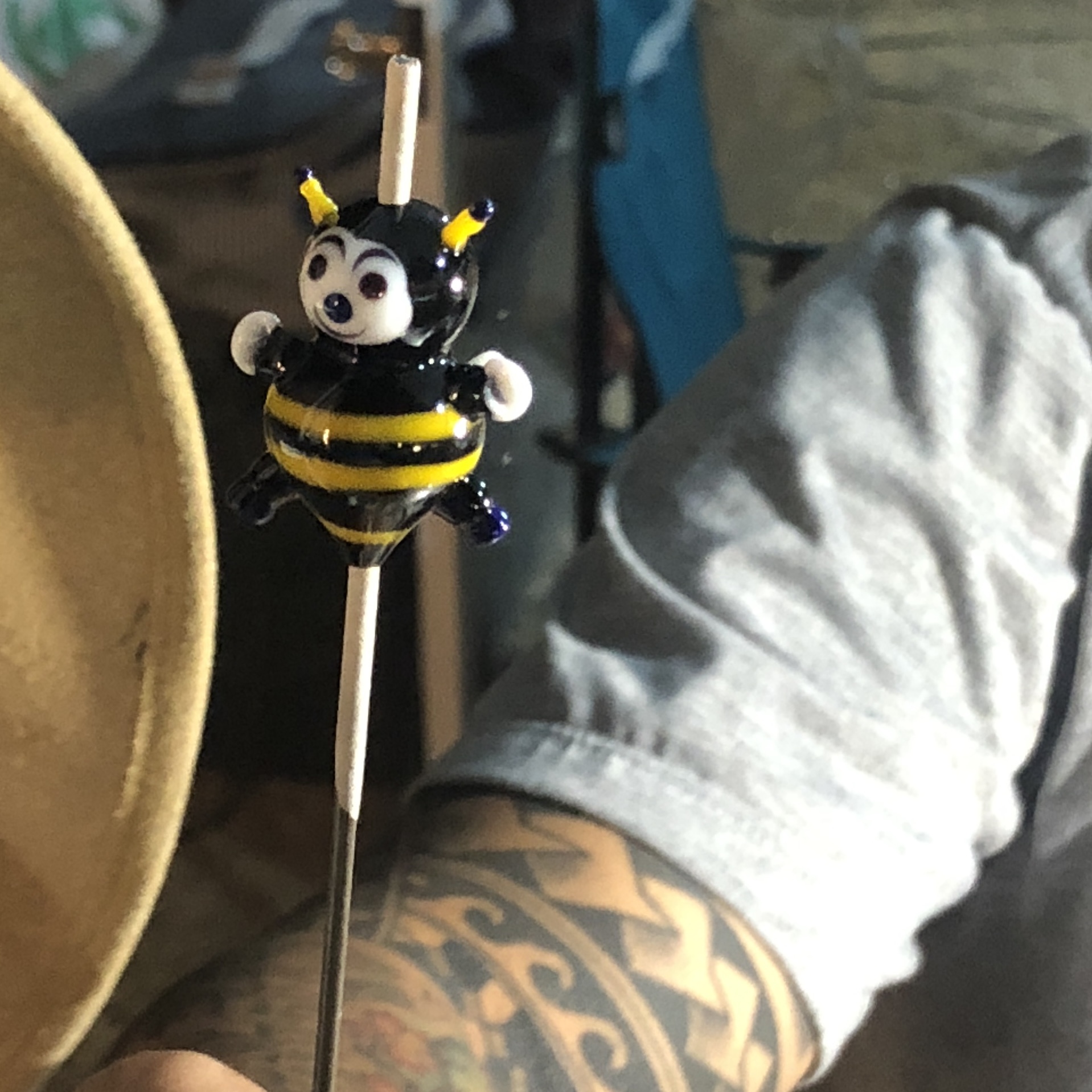
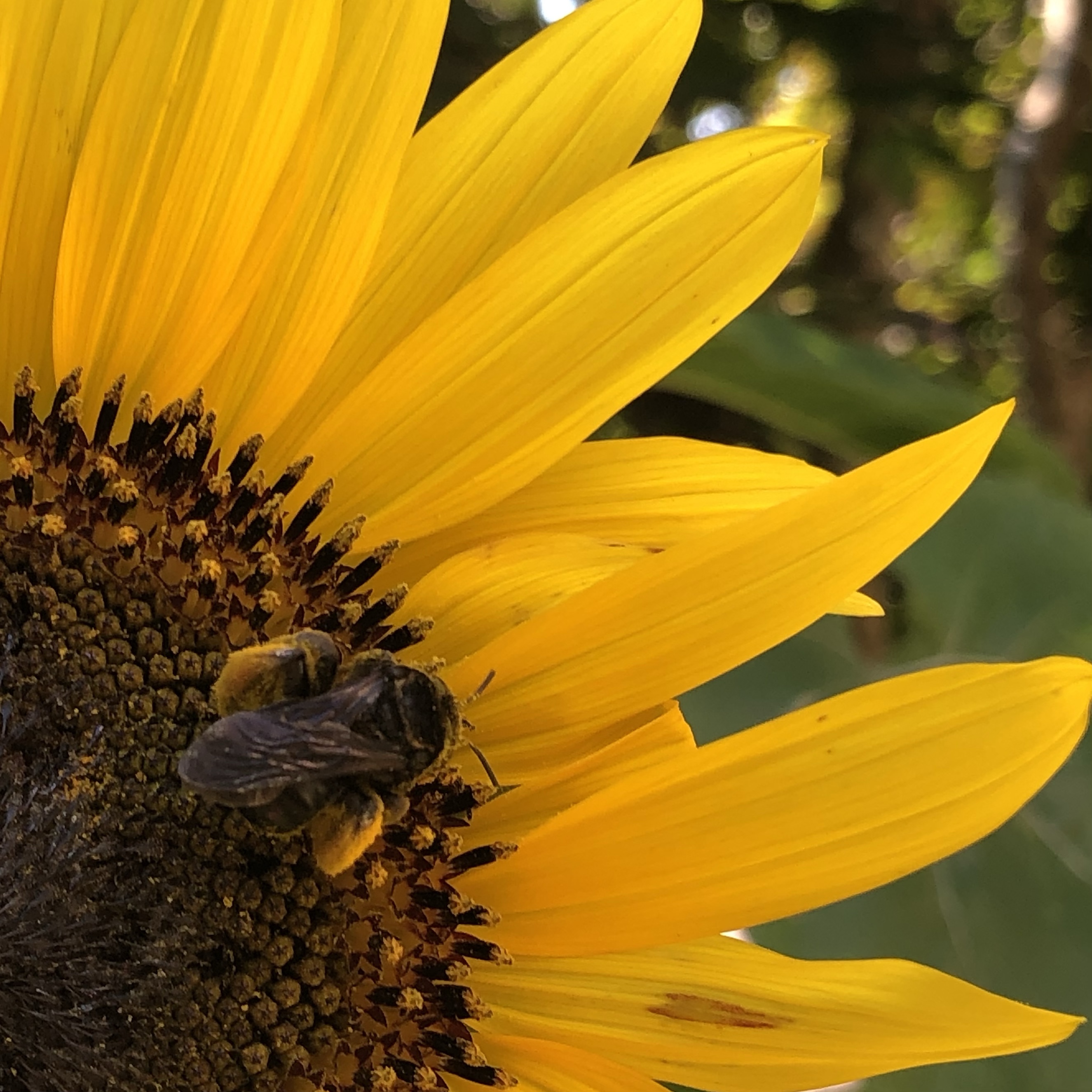
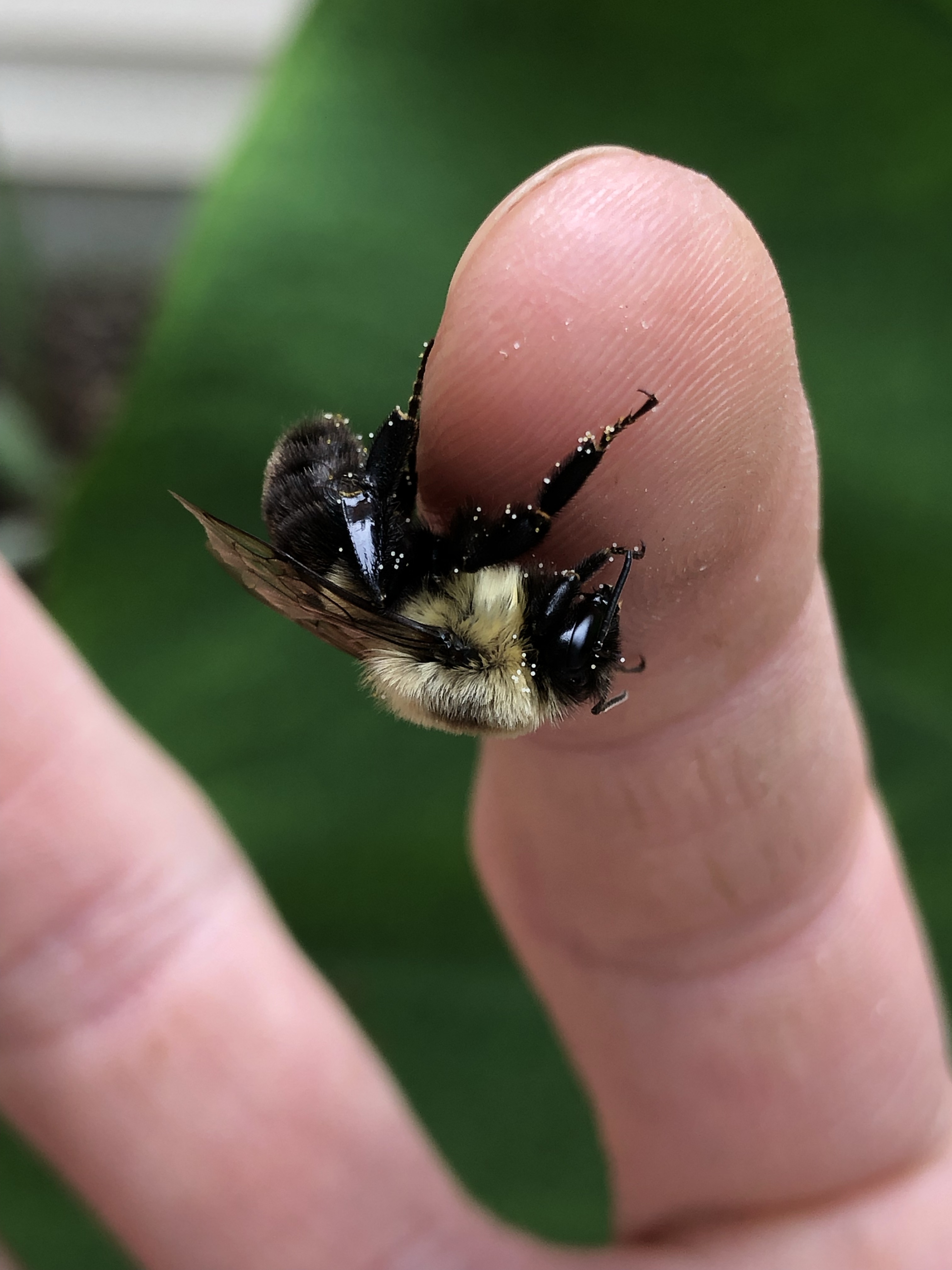
Beyond the honey bee there are over 20,000 species of bees with about 4,000 species native to North America. I had always thought the honey bee was the miracle worker behind our food chain. It would seem the unsung, solitary hero of our agricultural ability is the native blue orchard bee.

Honey bees tend to stick to lemons, almonds, and wild flowers. Blue orchard bees pollinate tomatoes, squash, and most stone fruit trees. Peaches, plums, cherries, nectarines, apricots, mangoes, raspberries, and olives are a few of my favorite stone fruits.
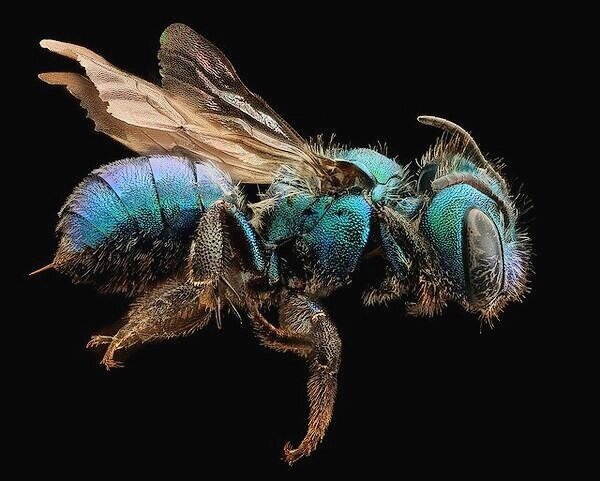
Blue orchard bees are a type of mason (or masonry) bee. Mason bees, rather than living large hives are more solitary, burrowing smaller tunnels or holes for their brood. They seal the entrance with clay or mud.
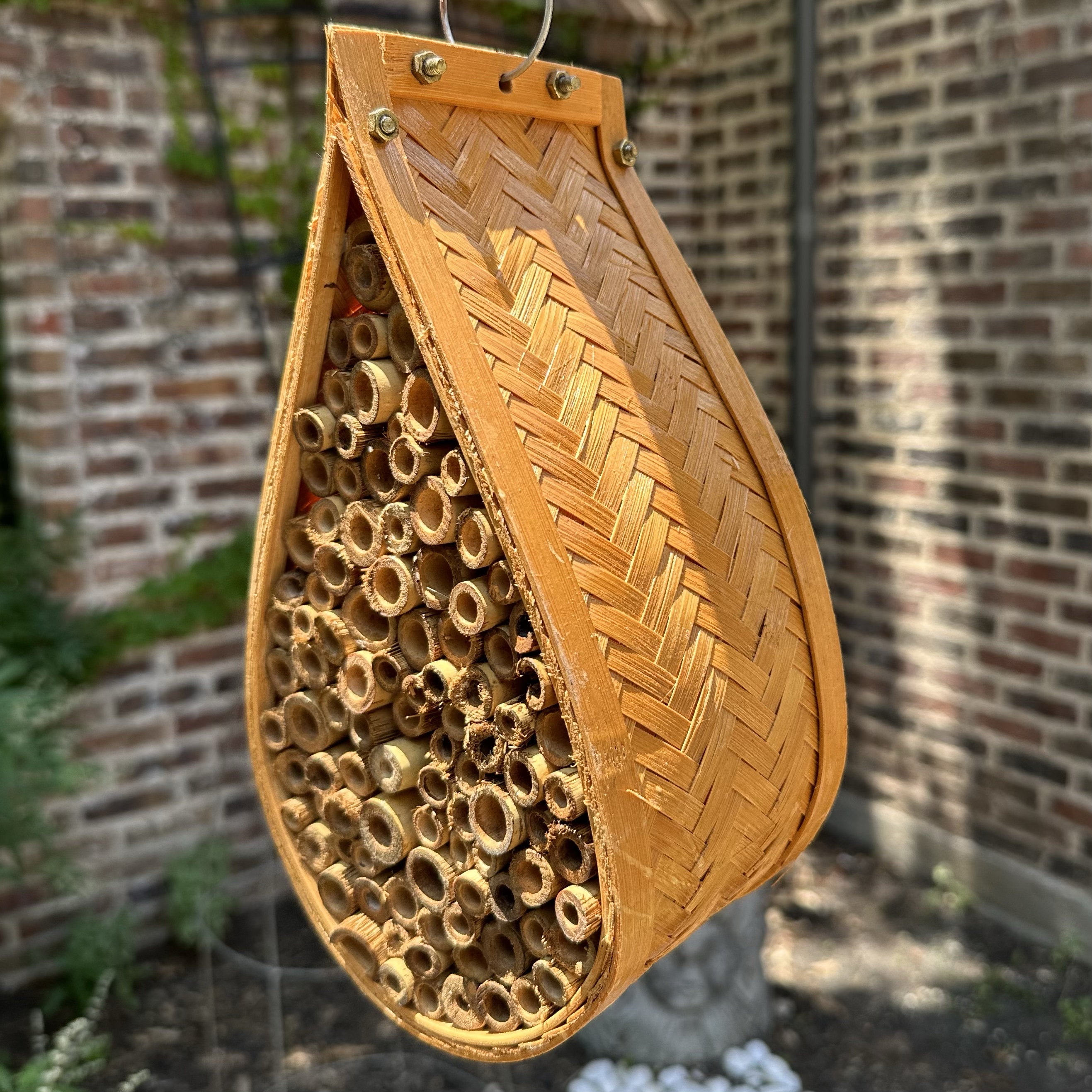
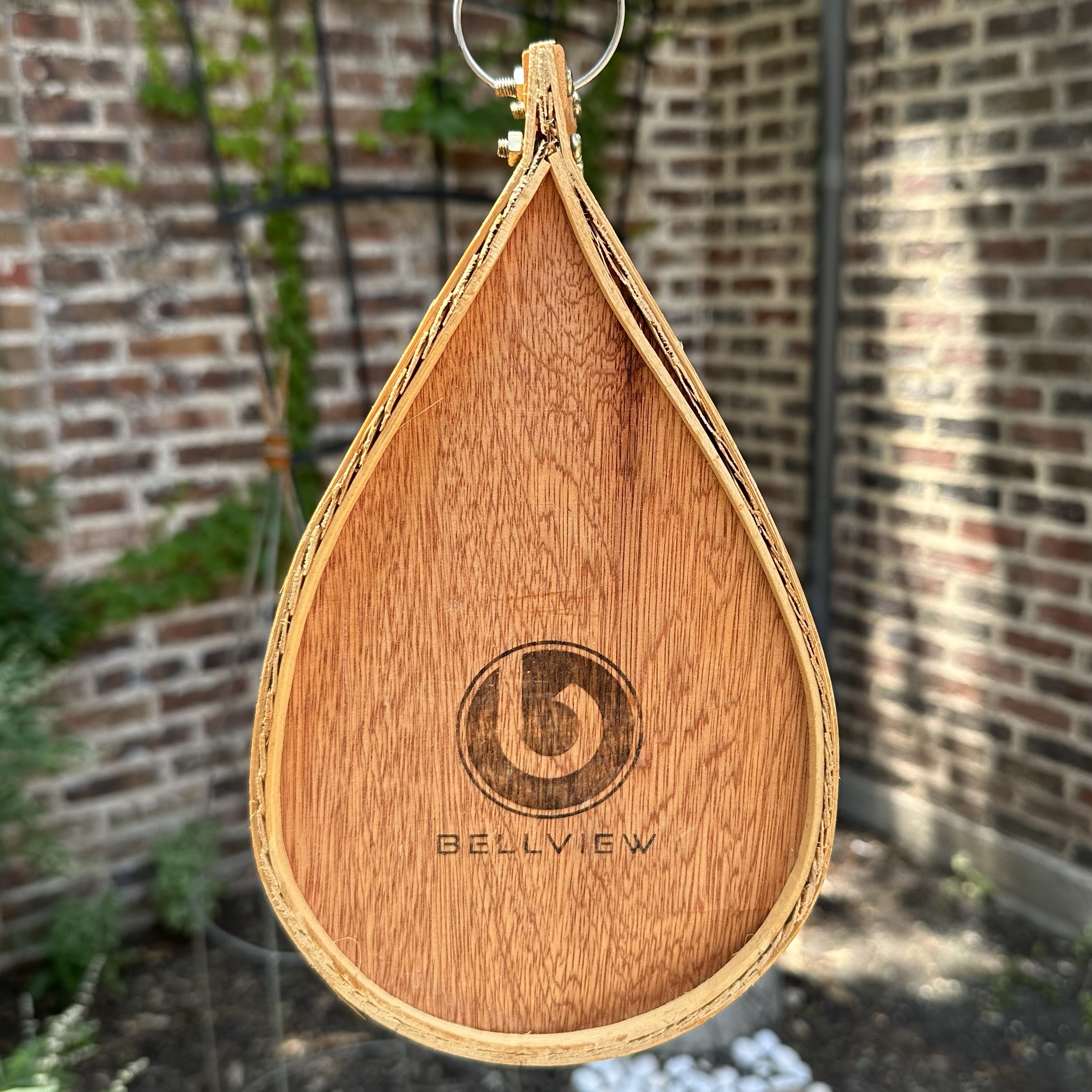
One of the easiest ways to help them is to get a house like this. This is a house created for mason bees. While they do not live in large hives, mason bees do like to be neighbors. The tunnels in the house provides a ready to move in commune, then the bees seal the entrance with mud.



One response to “World Bee Day”
Great information about the unsung hero of our agricultural ability, the native blue orchard bee. It’s fascinating to learn about the different types of bees that exist and their role in pollinating our food.
LikeLike